The Rules of the Tour de France: How the World's Biggest Cycling Race Works
Tour de France Rules Explained Simply: Stage Types, Jerseys, Rules, and Tour de France Betting! Find out more and place your bets now at MERKUR BETS.
approx. 5 min.
The Rules of the Tour de France: How the World's Biggest Cycling Race Works

The Tour de France is the world’s most famous and prestigious cycling race. For three weeks, the best riders battle for every meter, every second, and every jersey. For spectators and sports betting fans, the race becomes even more exciting thanks to daily stages and shifting favorites. But how exactly do the Tour de France rules work?
Tour de France Rules: What's Behind the World's Biggest Cycling Race
Anyone watching the Tour de France for the first time will initially see a huge group of cyclists riding together across France. But behind this scene lies a carefully crafted set of rules involving time limits, points, and tactics. The race consists of 21 stages over three weeks, two rest days, and approximately 3,500 kilometers. The race starts in a different location each year, and the finish is traditionally in Paris—more specifically, on the Champs-Élysées. The rider with the lowest total time across all stages at the end wins. Drafting and team coordination turn every kilometer into a tactical battle.
The Rules of the Tour de France
- Starting in 2025: 184 riders in 23 teams (8 riders per team) will start the race together
- The race is decided by time: the rider with the lowest total time across all stages wins the Yellow Jersey
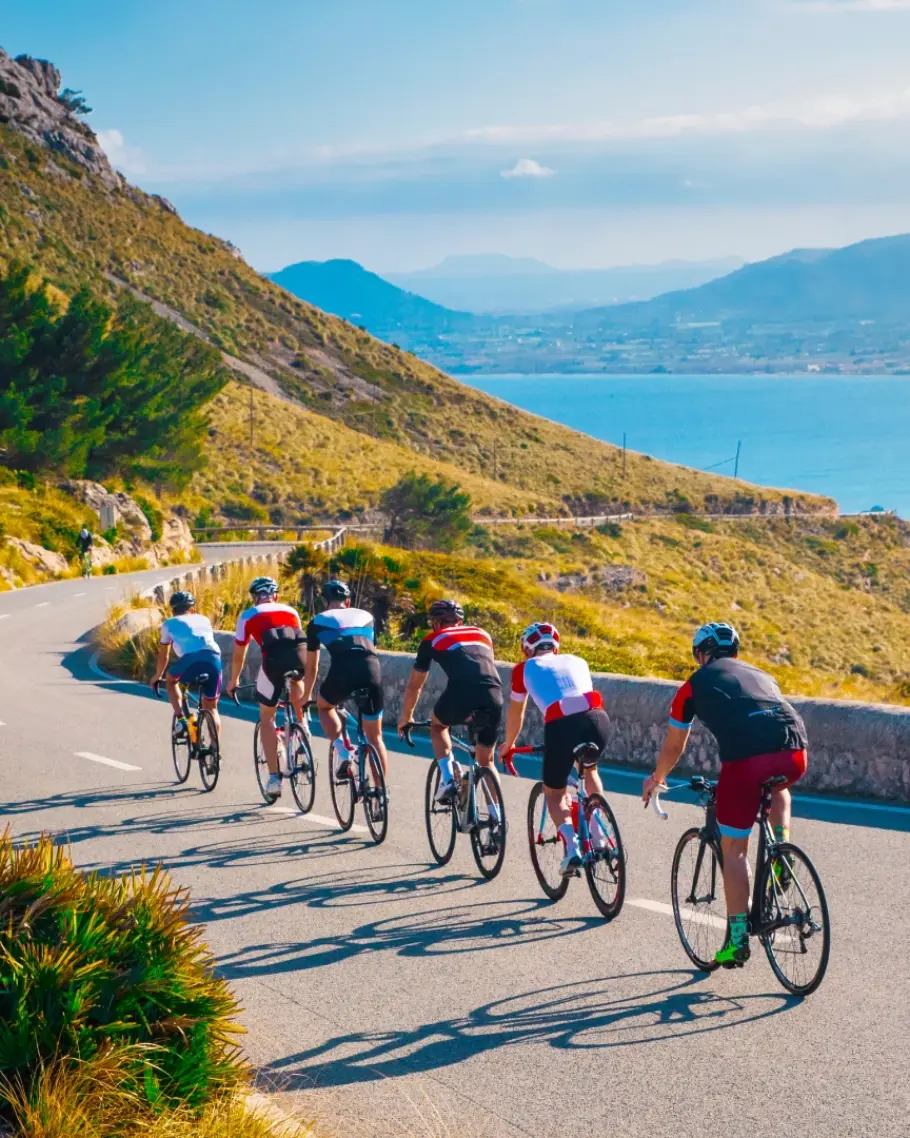
- Drafting is permitted; in a tight peloton, riders can save up to 40 percent of their energy this way
- In individual time trials, drafting is not allowed; each rider competes alone against the clock
- The first three riders to reach a stage finish are awarded time bonuses of 10, 6, and 4 seconds
- Rule violations are penalized with time or monetary penalties depending on severity; serious offenses may result in disqualification
- The yellow card has been in use since 2024: Anyone who receives it twice is disqualified
Tour de France: Stage Types
Not every stage is the same, and that’s exactly what makes the race so diverse. Depending on the course profile, completely different types of riders have the advantage. For Tour de France sports betting, this is one of the most important factors of all:
Tour de France Rules in Detail: What Do the Jerseys Mean?
Four jerseys, four classifications—each represents a separate ranking within the race. Who wears which jersey can change from day to day, making the Tour de France a competition full of excitement on multiple levels at once:
- Yellow Jersey (Maillot Jaune): The leader in the overall time classification. The most coveted jersey in cycling, it has been the symbol of the Tour leader since 1919. Whoever wears it on the final day in Paris has won.
- Green Jersey: The rider with the most points in the sprint classification. Points are awarded for good finishes at the stage finish line as well as at intermediate sprints. It usually ends up with a sprinter.
- Polka-dot jersey (King of the Mountains): The best climber. Points are awarded on categorized climbs. The more difficult the climb, the more points.
- White jersey: The best young rider under 25 years of age. The classification works on the same principle as the general classification.
Unwritten Rules: The Traditions of the Tour de France
In addition to the official rules, the Tour de France has traditions that have been part of the race for decades: they are unwritten laws and are respected by everyone.
The best-known one: if the leader in the yellow jersey crashes early in a stage, the entire peloton waits for him. An attack at that moment is considered dishonorable and would permanently ruin the rider’s reputation.
The final stage to Paris also has its own tradition. Before the final sprint on the Champs-Élysées begins, the riders ride to the finish line in a relaxed manner, champagne in hand. No attacks on the general classification, no tactical games. The overall winner has been decided, and the peloton celebrates together. Additionally, riders who ride with particular courage during the Tour and battle at the front in breakaway groups for long stretches are honored daily with a red bib as the most combative rider. A small but meaningful honor beyond the big jerseys.
Rider Types in the Tour de France: Who Will Win Which Stage?
Not every rider can do everything. The Tour de France needs specialists for every type of stage. If you know the different types of riders, you can place stage winner bets with much greater precision:
- Climbers and GC contenders: Lightweight, with great endurance, and strong on the mountains. They compete for the Yellow Jersey and dominate mountain stages.
- Sprinters: Explosive and lightning-fast in the final sprint. They dominate flat stages and collect points for the Green Jersey. They play almost no role in mountain stages.
- Time trial specialists: Strong against the clock, decisive in time trial stages. The more time trial kilometers a Tour has, the more important they become for the overall classification.
- Breakaway riders and rouleurs: Often ride in breakaway groups and win hilly or mountain stages by surprise. Particularly interesting for betting fans, as their odds are often attractive.
- Domestiques: Sacrifice themselves for their team leader, provide a draft, hand out water bottles, and set the pace. They rarely win, but are crucial to the team’s success.
The Peloton and Team Tactics: Why Cycling Is a Team Sport
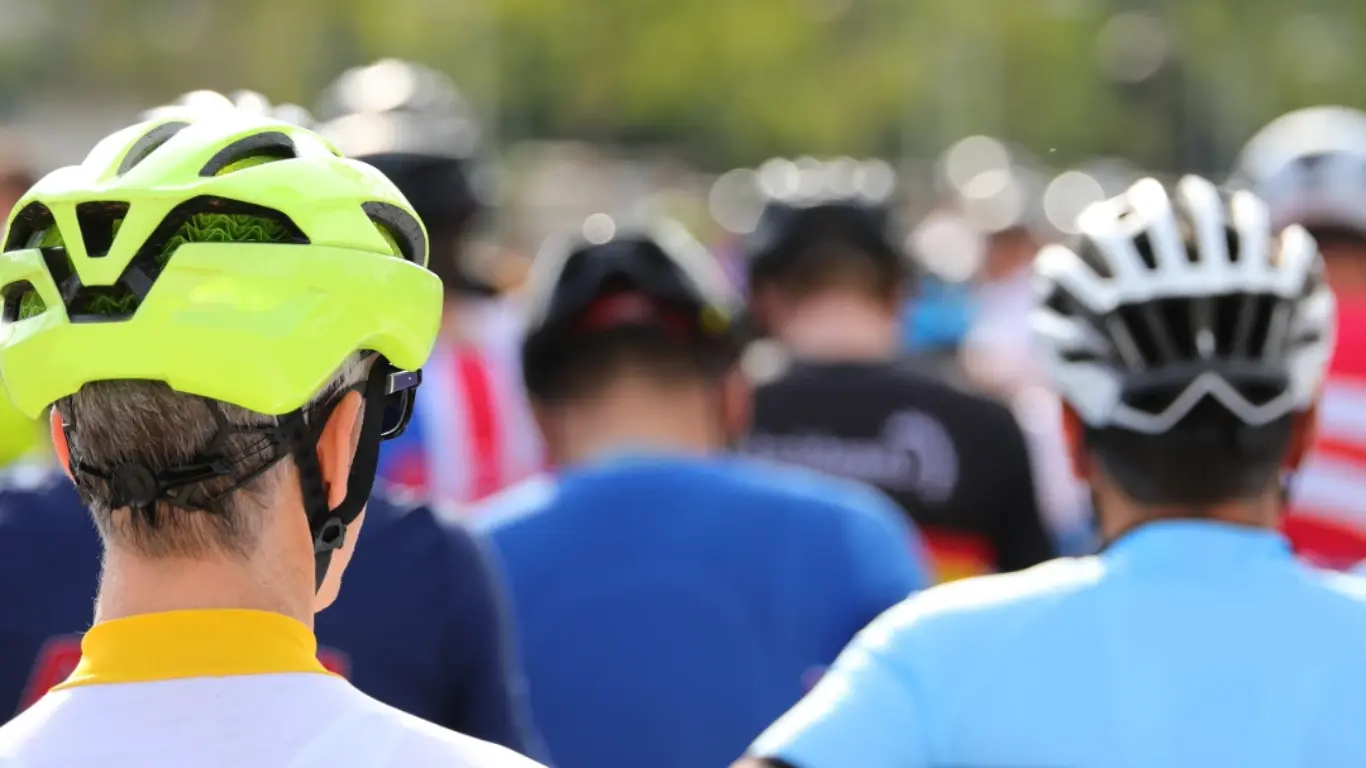
Every team has a captain to whom all the others are subordinate. The support riders, known as domestiques, ride for him: they set the pace on flat stages, support him in the mountains, and in an emergency will even bring their own bike if the captain has a mechanical issue. So if you want to pick the overall winner, you should keep an eye not only on the rider himself but also on the strength of his team.
Breakaway or peloton: The tactical question of every stage
The same tactical question arises in every stage: Will the peloton let a breakaway group go, or will they catch up to it? Strong teams control the pace in the peloton and only let breakaway riders escape if they pose no threat to the general classification. If a breakaway rider is far enough behind in the general classification, he has a good chance of holding onto his lead until the finish. Anyone who can assess the balance of power between the breakaway group and the peloton has a clear advantage when placing bets.
Important to know: On the final kilometer of a stage, known as the Flamme Rouge, the peloton usually increases the pace significantly. From this point on, it becomes particularly difficult for breakaway riders to defend their lead.
Your Tour de France Sports Betting at a Glance
Now you know how the Tour de France works and what the rules are all about. At MERKUR BETS , you’ll find the perfect bets for the world’s biggest cycling race. Just jump in and follow the battle for the Yellow Jersey from the first stage to the last!
FAQ on Tour de France Rules
The Tour de France is held over 21 stages and three weeks. The race is decided by time: the rider with the lowest total time across all stages at the end wins the Yellow Jersey and thus the Tour. Drafting is permitted, but not during individual time trials. Rule violations are penalized with time or monetary penalties depending on their severity; serious offenses may result in disqualification from the race.
There are four leader’s jerseys in the Tour de France. The yellow jersey is worn by the overall leader based on time, and the green jersey by the sprinter with the most points. The polka-dot jersey belongs to the best climber, who earns points on categorized climbs. The white jersey is awarded to the best young rider under the age of 25. If a rider leads multiple classifications, they wear the jersey for the highest-ranking classification.
The Tour de France features various types of stages: flat stages for sprinters, mountain stages for climbers and general classification (GC) riders, hilly stages that often see surprise breakaways, as well as individual and team time trials. Each type favors different types of riders and thus offers different betting opportunities—knowing the stage type allows you to place more targeted bets.
The peloton is the large group of riders where most cyclists spend the majority of the race. Riding in the slipstream of the peloton allows cyclists to conserve up to 40 percent of their energy—a crucial tactical advantage over the course of three weeks. Teams strategically use the peloton to protect their captain and control the pace.
When betting on the Tour de France, you can bet on the overall winner, individual stage winners, or the jersey leaders. There are also live bets that let you react to the action as the stage unfolds—for example, whether a breakaway group will be caught. At MERKUR BETS, you’ll find bets on the Tour’s most important events.